
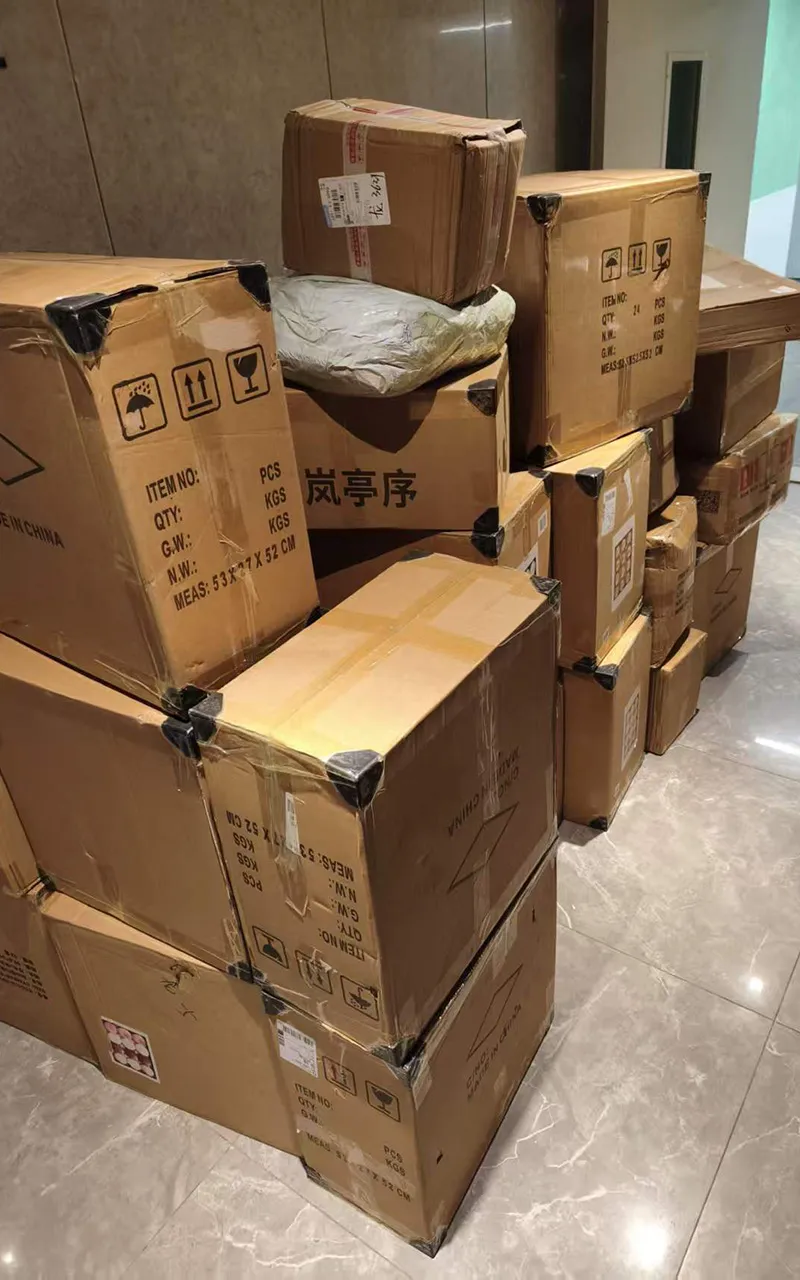
The most expensive mistake an Indian shop owner makes is not picking the wrong product. It is assuming one person can handle the whole trip. That assumption turns a manageable first order into a shipment nobody on either side can explain.
If you are searching for how to import from China to India for your shop, you are not asking for a step-by-step syllabus. You are asking three sharper questions: can I trust a supplier I will never meet, how do I pay without risking the money, and who moves and clears the goods when they reach India? A process chart answers none of them.
I am Karsa, a sourcing agent working in Zhaoqing & Zhongshan, Guangdong. I work the China side of a China-to-India order: finding the factory, checking it, negotiating, inspecting, consolidating, arranging freight, and preparing the documents. This is the walk-through I give a shop owner before a first order, including the line where my job stops and yours begins.
Here is the tension, stated early: I am an agent, and I want to be hired. So apply every check here to me too. If I fail one, walk away. If the whole import journey is new to you, our complete first-import walkthrough starts further back.
01 The Quick Answer: The Three Things Indian Shop Owners Actually Worry About
The three questions behind every China-to-India order
Three questions, and none of them comes from a process chart:
- Trust. Can I believe a supplier, and an agent, I will never meet?
- Payment. How do I pay from India without losing money to a name I cannot check?
- Shipping. Who moves the goods, and who deals with the Indian port?
Ask an agent a process question and you get a chart. Ask these three and you learn how they actually work.
Why a process checklist alone does not answer any of them
A checklist gives the order of steps. It does not say who holds the money, whose name is on the receiving account, or who stands behind a bulk shipment that drifts from the approved sample. Those are ownership questions, not sequencing questions.
Who this guide is for: a wholesaler or a large shop buying for your own shelves
This is for one reader: an Indian small wholesaler, or the owner of a large shop, buying stock for your shop and your store. Commercial quantities and commercial paperwork, goods for shelves under a business import. I explain each term at first use.
What this guide covers and what our other guides own
I answer the three worries and write down the split. I do not re-run what we have already published: how much money a first order really needs, the full China-side documents checklist, and who provides each compliance document each have their own guide. One sentence and one link, that is the rule.
A quick word on who I am and where my work stops
I am the agent on the China side, and everything up to a clean, documented handover is my work. The India side is yours, or your licensed broker's. I have a commercial interest in being hired, so the honest thing is to hand you the checks first.
02 Trust: What You Can Verify Yourself Before You Pay
The fear is documented, not imagined
Official Indian government trade advisories for small businesses describe the complaints their own importers report. A buyer pays in advance to an unverified supplier, and the replies stop. A sample is approved, and the bulk shipment is not the sample. Bank details arrive and are confirmed only by email. The advice is plain: verify the receiving account is the company's own, not an individual's.
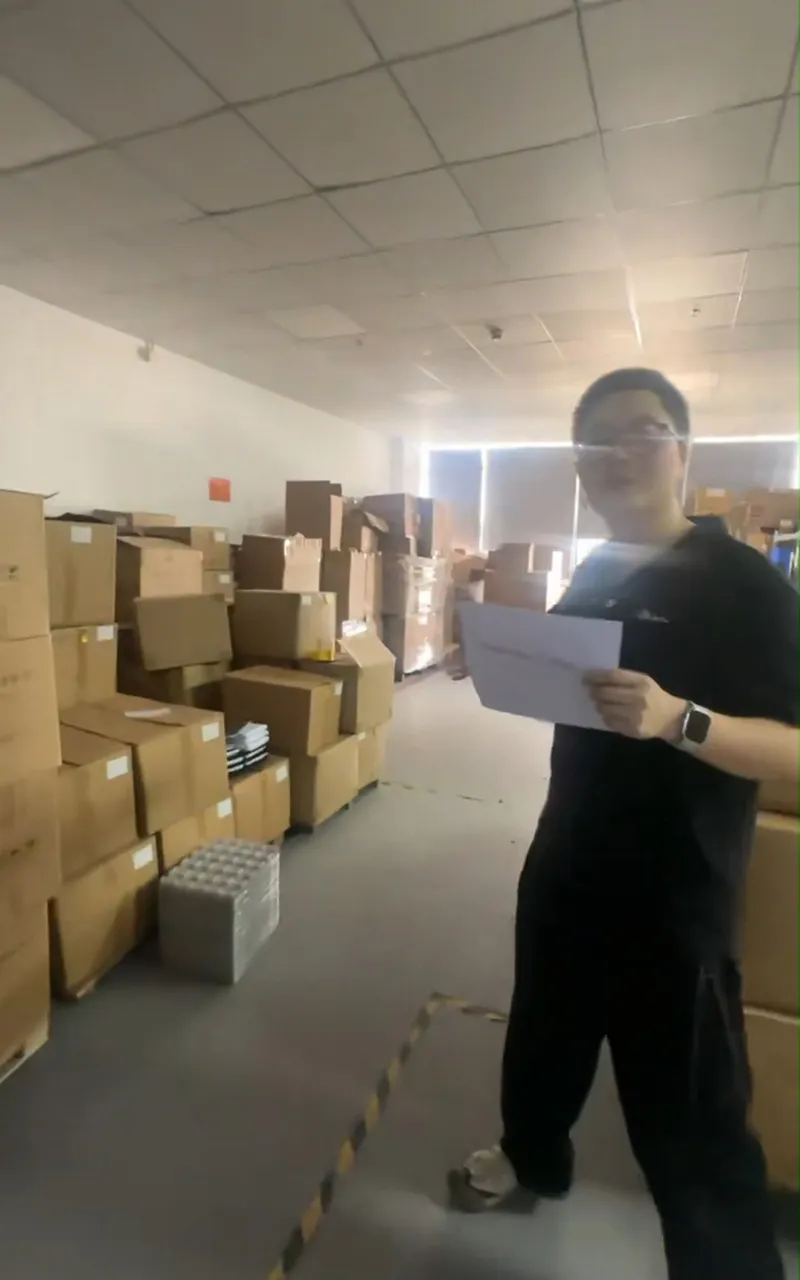
Client goods checked and packed before shipping - the checks that happen before your payment moves.
Checks you can run yourself before you pay
Promises cost nothing to make; evidence costs someone something to produce. Here is the list I would run on any order, mine included:
- A live video walkthrough of the factory by a named person, with the line and the packed cartons visible.
- The factory's own invoice, showing the factory's name and its price.
- An approved sample written into the order, so the bulk goods have a signed reference.
- Staged payments tied to milestones, so money moves as work is completed.
- A pre-shipment third-party inspection, reported to you before the container is sealed; see our pre-shipment inspection checklist for the method.
- An Alibaba.com order you can open and check, with product, quantity, terms and payment visible in one place.
Each produces something you can look at, keep, and show someone else later.
Why each check exists
The video proves a real place and a real person. The factory invoice puts a name and a price on the page. The written sample reference stops a bulk shipment drifting. Staged payments limit how much is exposed before goods exist. The independent inspection catches a problem while a fix is cheap. The on-platform order keeps the terms where you can reopen them. Together they turn "trust me" into "check this".
Apply the same list to me
Fair is fair. Run the same six on me: the live video walkthrough with me on the call, the factory's own invoice, the approved sample written into the order, staged payments, the independent inspection, and the Alibaba.com order drafted so you can open it. I hold a supplier account there, so that last one is hard to fake. Our guide on how to vet a China sourcing agent applies to us too.
Where the deeper verification method lives
For checking a Chinese company's registration and business licence step by step, see how to verify a Chinese company's business licence. This chapter stays with the checks you can run on this order, for your shop.
03 Payment: Handled For You
How the money side works
Payment is part of what I handle. I hold a supplier account on Alibaba.com, so I draft the Trade Assurance order for you: you open it, read every line, and pay inside the platform, with the order, the product, the quantity and the terms visible in one place. If your own bank route suits you better, that works too - either way, the money side is settled and visible before your goods move. For the wider route comparison, see sourcing agent vs Alibaba.
04 Shipping: Arranged For You
From the factory floor to your port in India
Shipping is the part buyers worry about most, and it is the part I take off your desk. I check the factory, check the goods against the approved sample, consolidate cartons from several suppliers, and book the freight through forwarders I know on China-to-India lanes. The commercial and shipping documents are prepared before anything ships: commercial invoice, packing list, transport document and origin paperwork, drafted, cross-checked and corrected while the cartons are still at the factory, not at the port. When the container reaches your destination port in India, your customs broker takes over with one shipment reference and one complete pack of papers. For choosing between a shared container and a full one, the FCL vs LCL decision for small orders walks through it, and current sea freight options and rate ranges own the rate and transit detail. For the form-by-field version, the full China-side documents checklist owns it.
05 The Division of Labor, Written Down: China Side vs India Side
China side: up to a clean, documented handover
Mine is everything up to the handover: sourcing, factory check, negotiation, quality checks, consolidation, forwarder liaison, and documents prepared in advance. I also tell you when something on my side is not ready, before it becomes a problem at the port. That is a real amount of work, and a bounded amount.
India side: yours, or your licensed broker's
Yours, or your broker's, is the India side: IEC, the Importer Exporter Code, and PAN; GST registration and filings; BIS / QCO and other mandatory product certifications; customs clearance; and duty and tax payment. I do not register, file, certify, clear or pay anything in India on your behalf. I prepare the China-side papers so your broker has what they need, and that is where my part ends. For who supplies each compliance document, who provides each compliance document is the map that owns it. This is experience, not legal or tax advice; confirm your obligations locally before you order.
The one sentence we will never write
You will meet a pitch that treats the whole trip as one package and suggests the work on your side simply disappears. I will not write that sentence, because it is not true. Your registrations, product approvals, clearance and duty do not vanish because someone in Guangdong is helpful. What I can promise is narrower: the China-side work is mine, the India-side work is yours or your broker's, and the handover is written down before the goods sail.
The current-list rule before any deposit
India's product approval coverage changes over time, so the only safe instruction is: check the current list by product category before you order, and confirm with your broker before any deposit. A category list in any blog, including this one, goes stale. I will not tell you a category is exempt, and I will not give you a date. If approval cannot be obtained in time, the honest answer is to wait.
A two-column table you can keep next to your first order
| China side: mine | India side: yours or your licensed broker's |
|---|---|
| Find and check the factory | IEC, the Importer Exporter Code, and PAN |
| Audit the factory on a live video call | GST registration and filings |
| Negotiate the price and write the terms | Check the current BIS / QCO list by product category |
| Check the goods before they ship | Obtain any mandatory product approval |
| Consolidate cartons from several suppliers | File the customs entry and clear the goods |
| Book space through a forwarder | Pay duty and tax as assessed |
| Hand over one clean, documented pack | Keep the record after release |
Print it and put it next to the quote you are considering. If a line on the right is described as someone else's job, ask whose registration and whose bank are behind it.
06 What I Need From You Before We Start
What I ask for before we begin
The blank message box is where most first orders stall, so here is the whole list:
- The product, in plain words, with a photo or a link to something similar
- The quantity you want for your shop, honestly, even if it is a small first run
- Your destination city in India
- Whether your importer setup is already in place, meaning your IEC and the rest of your registrations
- The product category, as precisely as you can describe it
That is it. I do not need you to have chosen a shipping mode or a broker before the first message.
Why the product category matters before any deposit
The category is on the list because of the current-list rule above. Approval coverage is checked against the exact product, and it changes. Check the current list by product category before you order, and confirm with your broker before any deposit.
What I send back
You get a written plan: the factories I would approach, what I would check at each one, the sample stage, the inspection point, the shipping arrangement, and the handover point where my work ends and yours begins. You also get a landed picture drawn from how much money a first order really needs, so the cost conversation starts from the guide that owns the numbers.
Where the three beginner guides take over
The three beginner guides I linked above each own a question this article deliberately does not answer: what a first order costs, what goes on each form, and who supplies each compliance document. They are the detail behind the one-sentence handoffs here.
The go-or-wait test
If the landed picture or the compliance check does not work for your shop, I will tell you to wait rather than take the order. A first order that fails closes a small business's appetite for importing for a long time.
07 Frequently Asked Questions
Is it safe to import from China to India for my shop?
It can be, if you replace promises with checks you run yourself. Official Indian government trade advisories for small businesses describe the risks buyers report: advance payment to an unverified supplier, a bulk order that drifts from the approved sample, and bank details confirmed only by email. Verify any receiving account is the company's own, not an individual's. A live factory video, the factory invoice, an approved sample, staged payments, a pre-shipment inspection and an on-platform order address each.
How do I pay a Chinese supplier from India?
You do not work the money side out alone. I hold a supplier account on Alibaba.com, so I draft a Trade Assurance order you can open and read before you pay, with the product, quantity and terms visible in one place. If your own bank route suits you better, that works too. Either way the payment is settled, and visible, before the goods move.
Do I need an IEC and GST registration to import from China to India?
Your India-side registrations and filings are yours, or your licensed broker's. IEC means the Importer Exporter Code; I do not register, file or pay anything in India on your behalf. What I do is prepare the China-side commercial and shipping documents early, in the form your broker needs, so the handover is clean. For who supplies each compliance document, see our compliance map. This is experience, not legal or tax advice; confirm your obligations locally.
Who handles customs clearance and product certification in India?
You do, or your licensed customs broker does. Filing the entry, paying duty and tax, and confirming any product approval all sit on the India side. Check the current list by product category before you order, and confirm with your broker before any deposit; covered categories change, so do not rely on a category list in any blog, including this one. I can gather factory-side test reports and certificates in advance, but the clearance decision is not mine.
Can you arrange shipping to India for a small first order?
Yes. I find the factory, check it, negotiate, inspect the goods, consolidate cartons, and book the freight through forwarders I know on China-to-India lanes, with the documents prepared before anything ships. Your goods arrive at your destination port as one shipment with one pack of papers, ready for your customs broker. For choosing between a shared container and a full one, see our FCL vs LCL guide.
What do you need from me before we start?
Send the product and a photo or link, the quantity, your destination city, whether your importer setup is already in place, and the product category. That last one matters because the current list has to be checked before any deposit. I send back a written plan, a landed picture from our budgeting guide, and a clear handover point. If the numbers or the compliance picture do not work, I will tell you to wait rather than take the order.
08 Where This Leaves You
The path, in five lines. Check what you can verify before you pay, and run the same checks on me. Payment and shipping are both handled, with the order and the papers in a form you can check. Know who moves the goods and who clears them at the Indian port. Keep the written China-side and India-side split next to your first order. Check the current list by product category before any deposit.
None of this is fast, and none of it needs to be. A first order placed with the boundaries written down beats a fast order placed on an impressive promise. The honest version of this service is smaller than the version advertised elsewhere: I do the China side, you or your licensed broker do the India side, and we both know where the handover is. Every check here applies to me too.
Send me the product, the quantity, your destination city, and whether your importer setup is already in place, on WhatsApp at +86 19898484442, or through the contact form. I will send back a written plan with the handover point marked, and I will tell you if the numbers or the compliance picture say wait. I am Karsa, working in Zhaoqing & Zhongshan, Guangdong. If we work together, my fee is a commission of 5% to 15% of the order value, set by order complexity and order size. For more on what we do, our China buying agent service and shipping service are the place to start.

Karsa has been helping e-commerce sellers and businesses source products from China since 2016, serving clients from 23+ countries.
 WhatsApp Karsa
Find Karsa on Social Media
Follow for sourcing tips, factory insights, and product updates from China.